Part of Why Am I Losing My Hair?
Hair loss is a clue, not a conclusion
The hardest part of losing hair is usually not the shedding itself. It is not knowing why. One person is dealing with a temporary surge in shedding a few months after childbirth or a stressful season. Another is watching the crown slowly open up over several years. The mirror can look similar in both cases, but the case files are nothing alike.
"Hair loss" is a broad description rather than a single cause. It can mean more daily shedding, gradual density change, breakage that mimics shedding, patches, or hair returning finer and shorter than it used to. Treating all of those as the same problem is how bathroom shelves get crowded while the questions stay unanswered.
A useful investigation starts by separating what is happening from what may be contributing to it. Is hair releasing from the root, or snapping along the strand? Was the change sudden or slow? Is it at the temples, the edges, the crown, the part line, or everywhere at once? Is the scalp calm, itchy, flaky, tender, oily or irritated-looking?
The goal is not to self-diagnose from a video. The goal is to stop guessing.
The most overlooked suspects behind thinning
Hair reflects far more than what happens in the shower. Scalp condition, styling habits, life transitions, nutrition, stress load and underlying health concerns all shape the environment hair grows in. That does not mean every change has a dramatic explanation — it does mean generic advice often misses the factors that matter most for you.
For many women, hormonal transitions deserve a close look. Postpartum shedding can be startling, and menopause often coincides with changes in density, strand diameter, scalp comfort and the way familiar products behave. PCOS can accompany pattern changes that call for individual attention and, when appropriate, a physician conversation.
Nutritional depletion is another frequent suspect. Low iron stores, thin protein intake, restrictive eating, rapid weight loss and the appetite changes some people experience on GLP-1 medications can all affect what hair has to work with. Our practice does not diagnose deficiencies, but we do recognise when a history and a pattern together warrant medical follow-up.
Stress belongs in the file too — but it should never become the lazy answer for everything. Poor sleep, caregiving, grief and illness can all influence shedding cycles, and stress is usually one contributor among several. Blaming every change on stress delays the rest of the investigation.
For Black women, early attention to crown thinning, scalp sensitivity, breakage or changes along the centre part is especially valuable. Central centrifugal cicatricial alopecia, or CCCA, warrants prompt medical evaluation because scarring can lead to permanent loss. Styling practices may play a role, but assuming hairstyle is the whole story is neither accurate nor helpful.
Your scalp holds the evidence
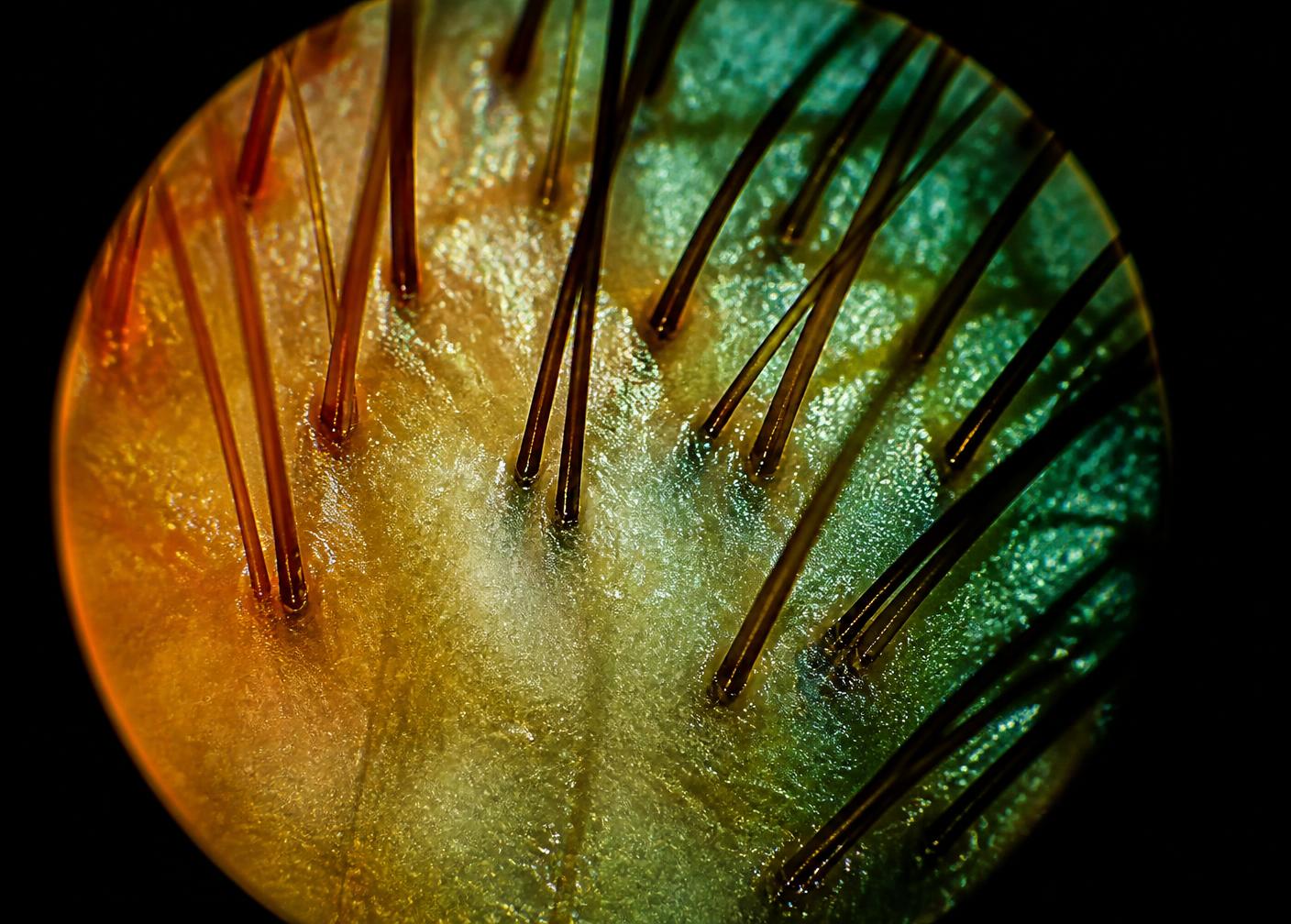
Healthy-looking hair starts with a scalp that is actually being observed rather than overlooked. Flaking, stubborn buildup, redness, tightness, tenderness, excess oil or recurring itch all complicate a recovery plan. So does a scalp that looks clear to the naked eye but shows congestion, finer-looking hairs or uneven follicular activity under magnification.
This is where digital scalp imaging changes the conversation. Instead of relying on memory or a quick glance, detailed images create a visual baseline — a record of what is present now, so change over time can be discussed with evidence instead of hope.
A scalp observation is not a medical diagnosis. It can, however, identify concerns that belong in a dermatologist's or physician's office — sudden patchy loss, pain, visible lesions, scarring, bleeding or rapidly worsening thinning. Responsible hair recovery support includes knowing when a case should be escalated.
Why product hopping keeps the case open
Almost everyone who comes to us has already tried something — oils, supplements, shampoos, serums, protective styles, scalp massage, viral remedies. Some are genuinely useful in the right context. None of them replace understanding the pattern and what is feeding it.
Product hopping creates noise. When several things change at once, it becomes impossible to tell what is helping, what is irritating the scalp and what is doing nothing at all. It also tends to crowd out the basics: consistent cleansing, gentle handling, realistic styling choices, adequate nutrition and follow-through.
A plan worth following accounts for the whole picture — your shedding timeline, family history, medications, stressors, styling routine, chemical services, scalp condition, eating patterns and goals. Someone managing traction-related thinning needs a different path from someone shedding after rapid weight loss, and long-standing genetic pattern change often calls for physician partnership alongside wellness-focused scalp care and tracking.
When hair loss needs a medical conversation
Do not wait on a wellness appointment alone if you have sudden bald patches, scalp pain or burning, open sores, severe itching, signs of infection, or hair loss alongside unusual fatigue, significant weight change or menstrual changes. Those signs deserve timely evaluation by a physician or dermatologist.
Medical care and trichology are not competing paths. A physician diagnoses, tests and prescribes. A trichologist provides detailed hair and scalp observation, education, practical home-care guidance and progress monitoring. The strongest plans know exactly where each role begins and ends.
Build a recovery plan you can actually follow
Recovery is rarely about one miracle product. It is about reducing avoidable stress on the hair and scalp, addressing the contributors that apply to you, and staying with a plan long enough to see a real pattern. That takes patience, because hair cycles move far slower than marketing promises.
Start with a baseline. Then choose a focused approach instead of changing everything at once. And if professional guidance points to a need for physician care, make that appointment part of the plan rather than an afterthought.
Your hair is not failing you. It is communicating. The next useful step is not another guess from the internet — it is a careful look at the evidence, a plan that fits your case, and the patience to let consistent care tell the real story.
- Hair loss is a description, not a cause — shedding, breakage, patchiness and gradual thinning are different stories.
- Pattern, timeline and scalp condition narrow the list of possible contributors faster than any product does.
- Hormonal transitions, nutrition, stress load and styling history all belong in the same case file.
- Magnified scalp imaging creates a baseline you can measure progress against instead of guessing.
- Sudden patches, pain, sores or rapidly worsening loss deserve a timely physician or dermatologist visit.
Most people release a modest number of hairs each day as part of the natural cycle. What matters more than a count is a change from your own normal — and whether density, strand size or scalp comfort is changing with it.
- 1.Hair loss: diagnosis and treatmentAmerican Academy of Dermatology Association
- 2.Healthy hair habitsAmerican Academy of Dermatology Association
Understanding your own hair begins with an investigation.
Trichologist Dr. Leola Anifowoshe-Brown, PhD
- Founder, Texas Hair Restoration & Wellness Center
- Founder, Capillorum Institute™
- Creator of Investigative Trichology™
- Author of The Hair Loss Detective
- PhD in Organizational Leadership and Development
- Doctorate in Christian Counseling
- Harvard Medical School Executive Education (Certificate Programs)
- Certified Trichologist
New educational resources, delivered quietly.
Join our reader list for new articles on hair and scalp health. Education only — no pressure, and you can unsubscribe any time.
Trichologist Dr. Leola Anifowoshe-Brown, PhD is available for television interviews, podcasts, print media, conferences, speaking engagements and educational commentary on Hair Loss, Scalp Health, Investigative Trichology™, Hair Restoration, Women's Hair Loss, Men's Hair Loss, Hair Health Education.
This article is provided for educational purposes only and is not intended to diagnose, treat, cure, or prevent any disease. HairInvestigations.com provides evidence-informed, holistic, non-medical educational resources. Individuals experiencing hair loss or scalp concerns should consult the appropriate qualified healthcare professional.